
Electrical & Telecommunications Engineering
A combined program spanning electrical engineering technology and telecommunications, from circuits and power systems to data communications, wireless systems, and network design.
Overview
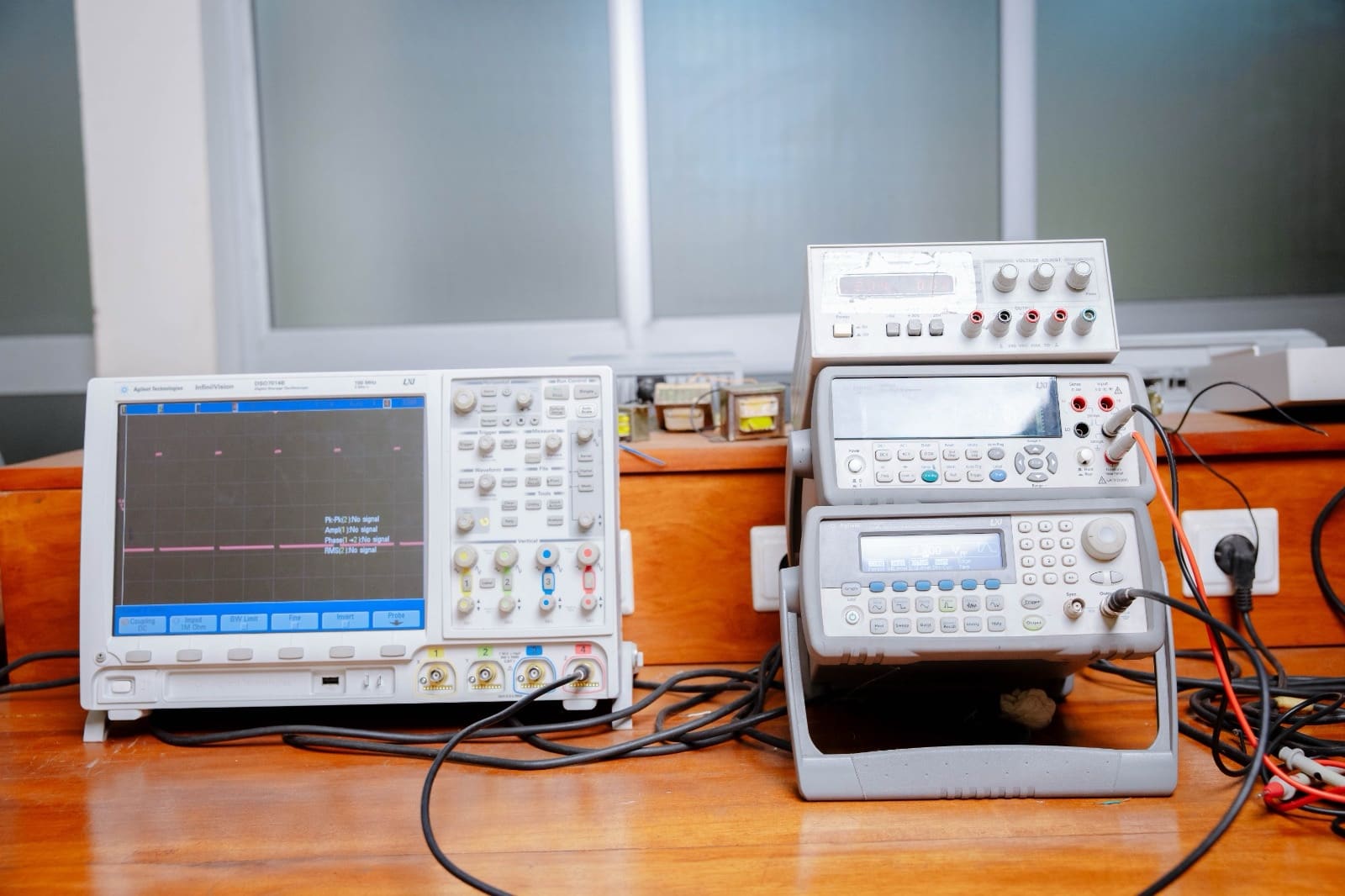
What you'll learn in the Electrical & Telecommunications Engineering program
Gain valuable skills to take your career to the next level:
- Electrical Engineering Practice
- Electronics & Circuit Design
- Telecommunications & Data Communications
- Wireless & Network Technologies
- Hands-On Projects
Admission requirements
The institute admits 30 students into each of its programs every year. The standard entry requirements for its engineering degree programs are:
- A Baccalauréat (series C, D, E or F) with an overall average of at least 12/20, for applicants from French-speaking education systems; or
- A GCE A Level with at least 12 points, including a B grade or better in Physics and in Mathematics, for applicants from English-speaking education systems, or another internationally recognized equivalent qualification; or
- One successfully completed year in Physics, Mathematics and Computer Science at a recognized university.
- Applicants still awaiting their Baccalauréat or GCE A Level results may also apply.
- Applicants must not have repeated a class in their last three years of high school.
- Proof of sufficient command of English (TOEFL or IELTS). Applicants for whom English is a second language may be admitted on condition that they reach the required TOEFL or IELTS score before the end of the first semester.
- Official transcripts of the last three years of high school.
- A completed application form provided by the institute.
Flexibility
Adaptability to Career Goals
The curriculum is modular, allowing students to select from specializations such as embedded systems, power electronics, or telecommunications.
Industry Partnerships
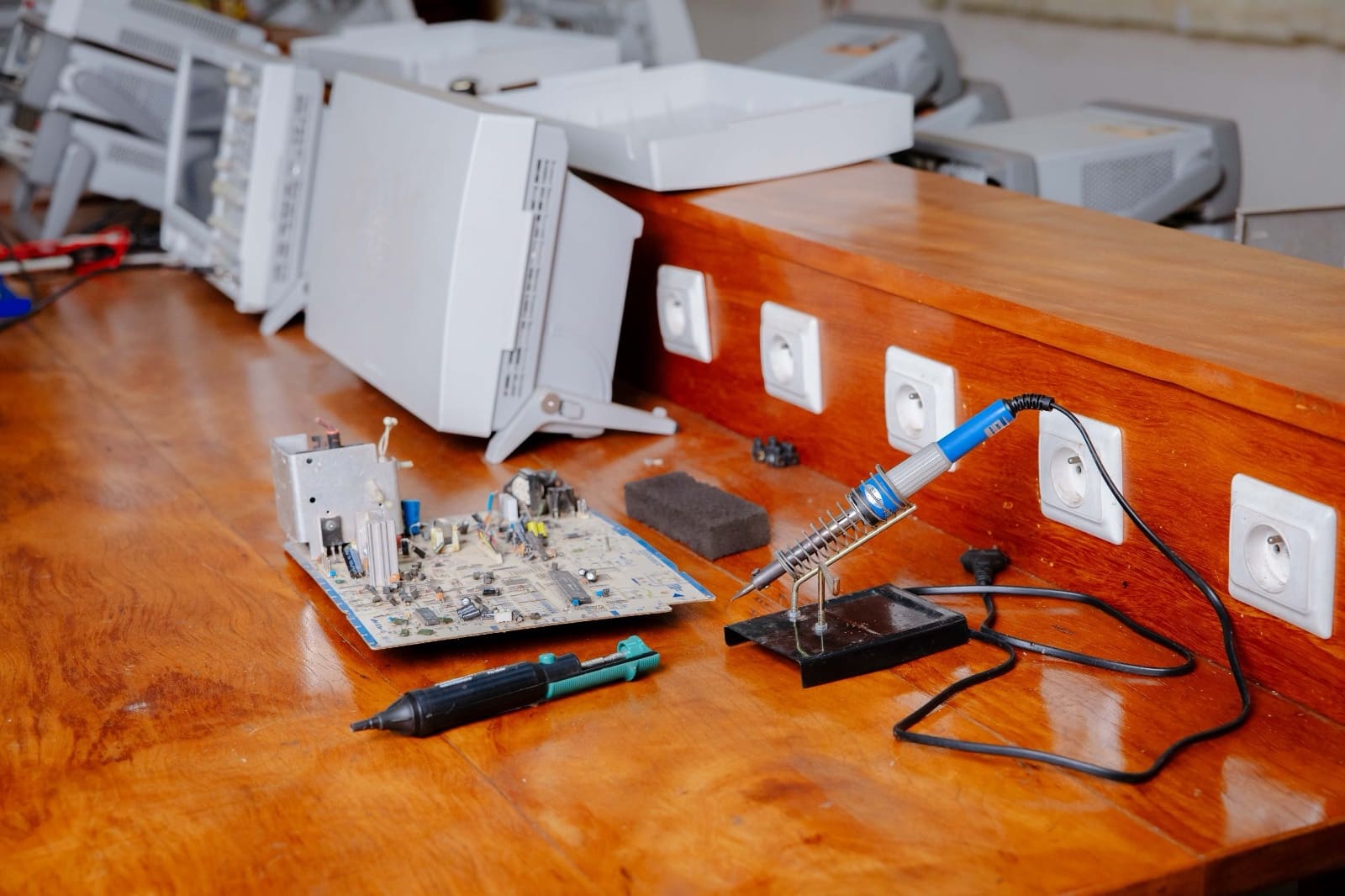
Close ties with telecommunications companies and research institutions enable co-designed coursework and access to advanced equipment.
Simulation & Virtual Labs
Faculty use simulation platforms, virtual labs, and interactive tools to enhance learning.
Common questions students are asking us
Questions regarding our academic programs offered at KFokam Institute of Excellence
Dream big. Start bold. Your future is waiting
Take the first step towards transforming your career and unlocking your potential with KFIE's world-class education programs.
Start your application today • No application fee • Rolling admissions